Can AI Replace Human Web Designers? The Complete 2026 Guide

AI and human web designer collaboration showing the future of creative partnership in digital design.
If you have been paying attention to how fast technology is changing, you have probably asked yourself this question already: can AI really replace human web designers?
It is a valid question, and honestly, it is on everyone's mind. Everywhere you look, AI is designing websites, generating layouts, writing content, and even choosing colors automatically. Tools that once required years of learning can now be used by someone with zero technical background.
So where does that leave human web designers? Are they about to become irrelevant, or is something else happening here? Let me walk you through the complete picture, because the answer is more nuanced and honestly more interesting than you might think.
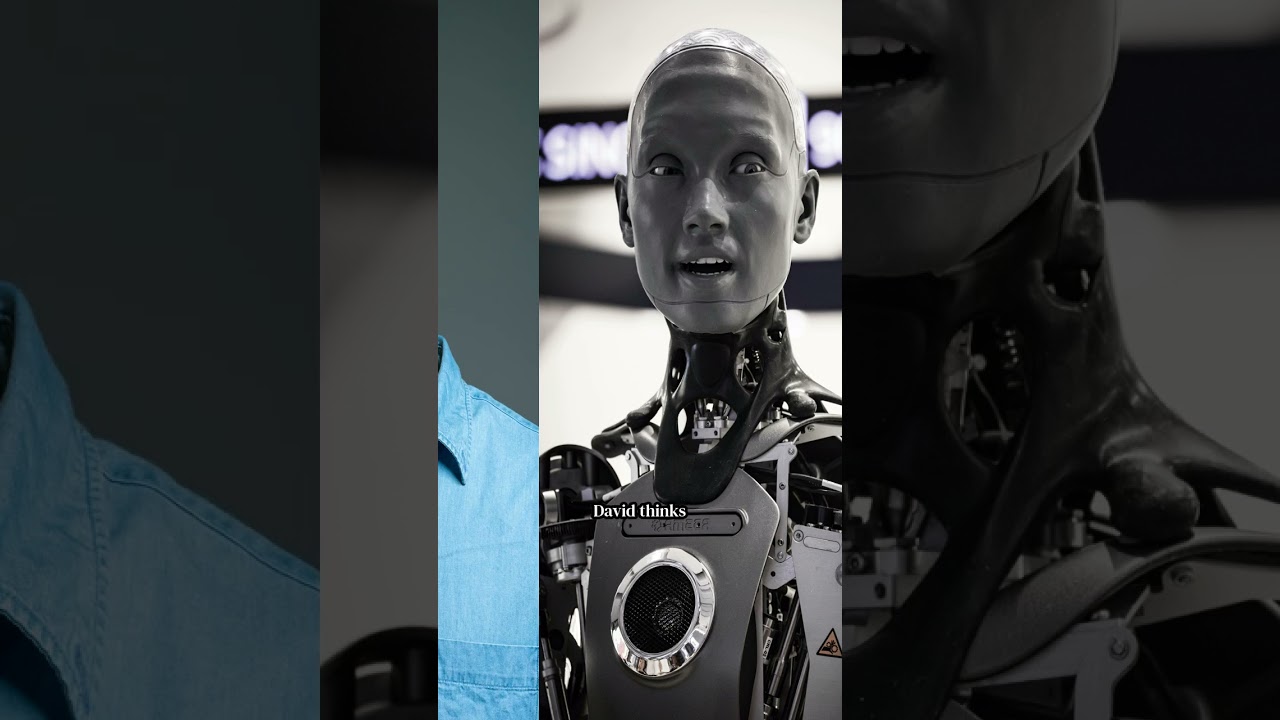
Watch: How AI is transforming web design workflows while human creativity remains irreplaceable
Why People Think AI Will Replace Human Web Designers
The fear did not come from nowhere. In the last few years, AI web design tools have improved at an absolutely incredible rate. What used to take experienced designers days or even weeks can now be done in literal minutes.
1. AI Builds Websites Incredibly Fast
Speed is genuinely one of the biggest advantages AI brings to the table. With modern AI website builders, you can answer just a few simple questions and get a complete, functional website layout instantly. Pages, sections, colors, and sometimes even the text content are created automatically without you lifting a finger.
For businesses that need to launch quickly, this speed is extremely attractive. Imagine a small bakery owner who needs a website by tomorrow morning to accept online orders. They can have a complete, professional looking site ready in 30 minutes using AI tools. No waiting for designer availability, no back and forth email exchanges, no endless revision cycles. Just fast results.
2. AI Is Significantly Cheaper Than Hiring Designers
Let us be completely honest here: professional web design can be expensive. Many small businesses, startups, and individuals simply cannot afford to hire a professional designer for every project. Professional designers typically charge anywhere from $2,000 to $10,000 or even more for a complete custom website.
AI tools offer a dramatically cheaper alternative. Some are even completely free to use, while premium versions rarely exceed $50 per month. For someone running a tight budget, that difference is absolutely massive and can determine whether they get online or stay invisible.
3. AI Does Not Get Tired or Make Emotional Decisions
AI works purely based on data and patterns. It does not get tired after working long hours. It does not get distracted by personal problems. It does not make emotionally driven design choices based on what it personally likes. It follows patterns that have proven successful before and applies them consistently every single time.
For basic, straightforward websites that do not need creative innovation, this consistency can actually produce pretty decent results. The AI does not have off days or creative blocks. It just works.
What AI Can Actually Do Well in Web Design
Before we talk about limitations, let us be completely fair. AI is genuinely very good at certain specific things, and understanding these strengths helps us see the complete, honest picture of where we actually are in 2026.
AI Is Excellent at Structure and Layout
AI tools today are trained on literally thousands of successful websites across every industry you can imagine. They understand what generally works and what typically does not, based on real conversion data, actual user behavior patterns, and established design principles that have been proven over years.
This means AI can reliably:
- Suggest clean, professional layouts that follow established best practices
- Place content in logical order based on proven user flow analysis
- Create responsive designs that work beautifully on mobile and desktop automatically
- Ensure proper spacing, alignment, and visual hierarchy throughout your site
- Apply accessibility standards that help all users navigate easily
AI Genuinely Helps Complete Beginners Get Started
Many people desperately want a website for their business or project but have absolutely no idea where to even begin. The technical jargon, the design decisions, the hosting setup, it all feels incredibly overwhelming.
AI completely removes that initial fear and paralysis. You do not need to understand coding languages, hosting configurations, or advanced design principles. You just answer straightforward questions about your business in plain English, upload your logo if you have one, and the AI system handles literally everything else. For someone who felt website creation was impossible, this is genuinely life changing.
AI Is Remarkably Great for Repetitive Tasks
There are certain tasks in web design that are necessary but frankly boring and time consuming. AI handles these faster than any human possibly could, while also reducing the chance of human error:
- Creating multiple similar pages with perfectly consistent formatting
- Adjusting layouts across dozens of different screen sizes automatically
- Generating basic placeholder content for common page types
- Resizing and optimizing hundreds of images for web use
- Applying your brand colors consistently throughout every page
- Creating variations of designs for A/B testing purposes
These tasks used to eat up hours of a designer's time. Now they happen in seconds, freeing up human creativity for more important challenges.
Popular AI Web Design Tools in 2026
Understanding the current landscape of available tools helps clarify what AI can actually accomplish today versus what remains theoretical. Here are the most prominent tools right now and what they honestly offer.
Wix was actually one of the very first major platforms to introduce AI powered design capabilities to the mainstream market. You answer straightforward questions about your business type, your style preferences, and what features you need. Within just minutes, Wix ADI generates a complete, functional website tailored to your answers.
Framer takes an interesting hybrid approach, combining AI assistance with professional level design tools. It generates initial layouts but gives designers full control to customize every detail. The AI suggests appropriate components, smooth animations, and user interactions based on your specific content and goals.
This powerful tool uses AI to either recreate existing websites you admire or build completely new ones from scratch based on your requirements. It analyzes your content intelligently and generates complete WordPress sites automatically, including necessary plugins and performance optimization.
Durable makes an audacious promise: a complete business website in just 30 seconds. It generates professional copy, sources appropriate images, and creates the entire design simultaneously in one streamlined process. The tool is specifically targeted at service businesses like contractors, consultants, and local shops.
Integrated directly with their hosting services, this tool builds complete sites based on just brief text descriptions of what you need. It includes built in AI writing assistance tools and even brand identity generators to help establish your visual presence. This type of AI integration can be particularly useful when considering why businesses are moving to AI web design for comprehensive digital strategies.
Where AI Falls Significantly Short Compared to Human Designers
Now this is genuinely the most important part of this entire discussion. AI is undeniably powerful and impressive, but it is fundamentally not human. The gaps between what AI can do and what humans bring to design are significant and honestly unlikely to close completely anytime soon.
🎨 Human Creativity
Humans imagine completely new possibilities, intentionally break established rules for effect, and create designs that make people genuinely say "I have never seen anything like that before."
🤖 AI Prediction
AI predicts based solely on existing data patterns, producing similar looking designs that follow established patterns but genuinely lack true originality.
AI Completely Lacks True Creative Innovation
AI does not actually imagine or create in the way humans do. It predicts and combines based on patterns it has learned from existing data. This fundamental limitation means it often produces designs that look disturbingly similar to thousands of other websites, struggles significantly to create something truly unique that stands out, and cannot understand deep emotional storytelling that connects with audiences on a human level.
When Apple revolutionized tech website design, when Airbnb created their distinctive visual language, when Stripe introduced minimalist elegance to fintech—these were human creative leaps that broke from established patterns. AI cannot make those intuitive creative jumps because it is fundamentally limited to recombining what already exists. For a deeper understanding of how AI analyzes patterns, check out our article on how AI understands website user behavior to see the data-driven approach behind these tools.
AI Does Not Fully Understand Brand Identity
A truly strong brand is so much more than just matching colors and selecting appropriate fonts. It authentically includes the core business values that drive decisions, the specific target audience emotions you want to trigger, important cultural context and nuances, and the long term vision for where the company is heading.
A skilled human designer can sit down and listen to a passionate founder talk about exactly why they started their company, truly understand the deep emotion behind it, feel the mission in their gut, and then translate all of that intangible feeling into compelling visual language that resonates.
AI can match your brand colors to your logo. But it cannot understand why your grandmother's recipes inspired your bakery, why that matters emotionally to your customers, and how to visually communicate that authentic heritage story in a way that builds genuine trust.
AI Simply Cannot Replace Human Communication
Design is never just about creating pretty visuals. The actual design process critically involves understanding vague or sometimes conflicting client requirements, asking exactly the right probing questions to uncover the real underlying needs, patiently educating clients about what approaches will actually work in practice, and carefully managing expectations throughout the entire project.
AI cannot read body language during client meetings. It cannot sense when a client is excited versus just being polite. It cannot navigate the complex human dynamics when a founder and their business partner disagree about direction. These human skills remain absolutely irreplaceable. To see how traditional methods compare, explore our guide on traditional vs AI-powered web design.
Real World Case Studies: AI and Human Designers in Actual Action
📍 Case Study 1: Local Restaurant Goes AI First
Maria owns a small Italian restaurant in her neighborhood. She desperately needed a website but her entire available budget was only $200. She decided to use Wix ADI to see what was possible.
The Results Were Surprisingly Good:
- Complete website launched and live within just 2 hours
- Menu, appetizing photos, and contact information displayed clearly
- Online reservation system successfully integrated and working
- Fully mobile responsive design that works great on phones
The honest reality: The site works perfectly fine for what Maria needs. It looks similar to many other restaurant websites out there. But Maria is genuinely happy because she needed basic functionality, not unique creative innovation. The AI solution met her specific needs perfectly at exactly the right price point.
Human designer value in this scenario: Very Low. Maria got exactly what she needed at the right price.
🚀 Case Study 2: Tech Startup Desperately Needs Strong Brand Identity
Quantum Apps is launching innovative new productivity software. They absolutely need a website that genuinely stands out in an incredibly crowded, competitive market and convinces potential investors they are worth millions of dollars.
They tried AI tools first, hoping to save money. The results were technically clean and functional but felt completely generic. Every layout looked disturbingly similar to their direct competitors. Nothing differentiated them visually.
They made the strategic decision to hire a professional design agency instead. The human team conducted thorough competitor analysis, developed a completely unique visual language, created custom illustrations that told their story, and designed an impressive interactive demo experience that showcased their innovation.
The Results Were Dramatic:
- Conversion rate jumped 340% higher than the original AI generated prototype
- Successfully secured significant seed funding partially based on impressive brand presentation
- Website featured prominently in multiple design galleries and publications
- Competitors started copying elements of their unique design language
Human designer value in this scenario: Absolutely Critical. The business genuinely needed differentiation and strategic creative thinking.
⚡ Case Study 3: Smart Designer Uses AI as a Powerful Assistant
James is an experienced freelance web designer. Instead of fearing AI as competition threatening his livelihood, he strategically integrated it directly into his workflow as a productivity tool.
His Evolved Process Now Looks Like This:
- Uses AI to rapidly generate 5 to 10 initial layout concepts in just minutes
- Carefully selects the most promising direction showing real potential
- Extensively customizes with his human creativity and strategic insight
- Leverages AI for repetitive tasks like responsive design adjustments
- Focuses his valuable creative time on strategy, branding, and custom features
The Business Results: Completes projects approximately 40% faster than before, confidently takes on more clients simultaneously, charges premium rates for his strategic creative work, and honestly enjoys his work more by eliminating tedious tasks.
Human designer value in this scenario: Enhanced and Amplified by AI. The combination proves more powerful than either approach alone.
So, Can AI Actually Replace Human Web Designers Completely?
The Completely Honest Answer Is No
AI is not replacing human web designers in the way people fear. Instead, it is fundamentally changing how designers work and who actually needs their specialized services. For businesses looking to maximize their online presence, understanding both AI capabilities and human strengths is crucial. This integration is part of broader AI SEO strategies for 2026 that combine design with discoverability.
Here is what is genuinely happening right now in 2026:
- AI confidently handles basic, template driven websites at the low end of the market
- Human designers are strategically moving upmarket to complex, strategic creative projects
- The smartest designers are actively using AI as a powerful productivity enhancing tool
- The middle ground between AI and human design is evolving extremely rapidly
Instead of completely replacing humans as many feared, AI is becoming a genuinely powerful assistant that raises the baseline quality of basic design while simultaneously freeing humans to focus their energy on much higher value creative and strategic work. To understand the practical steps behind AI design, see our step-by-step guide to AI website design.
Final Thoughts: The Real Future We are Heading Toward
The future of web design is not about choosing between AI or humans. It is about understanding when each approach makes sense and how they can work together powerfully.
AI will continue getting better at technical execution, layout generation, and handling routine design tasks. Human designers will become more valuable for strategy, creativity, brand storytelling, and solving complex problems that require genuine insight.
If you are a business owner, use AI for speed and cost savings on basic projects. Invest in human designers when your website is a competitive advantage. If you are a designer, learn to use AI tools to enhance your productivity and focus on developing skills that AI cannot replicate.
The designers who will thrive in 2026 and beyond are not the ones fighting against AI. They are the ones embracing it as a tool while developing their irreplaceable human skills: strategic thinking, creative innovation, emotional intelligence, and genuine client relationships.

Comments
Post a Comment
💬 We’d love to hear from you! Share your thoughts, questions, or tips in the comments below. Your feedback helps us improve and grow!